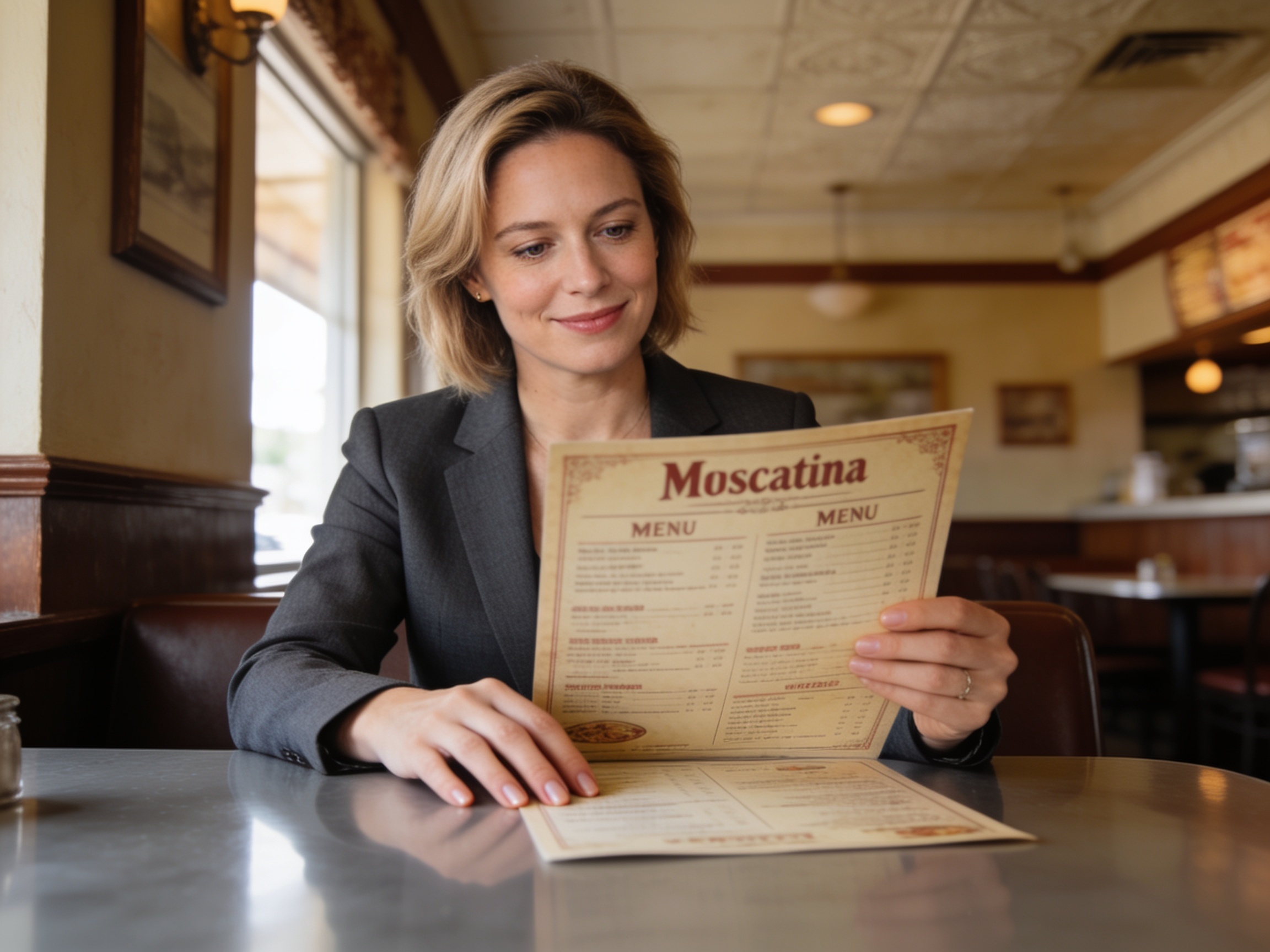
Local dining establishments near the symphony offer a perfect pre-concert atmosphere, blending history with modern culinary excellence in downtown Muscatine.
Meet Muscatine, Muscatine – There is a distinct rhythm to this Mississippi River town that goes beyond the flow of the water. It pulses through the downtown district on Saturday nights, blending the crescendo of string instruments with the clinking of silverware. We spent a weekend analyzing the intersection of high culture and local flavor to understand how the Muscatine Symphony Orchestra shapes the city’s dining scene. What we found was a symbiotic relationship where history is savored as much as the music itself.
Muscatine’s identity was forged on the backs of clam shells, earning it the title of the Pearl Button Capital of the World in the late 19th century. This industrial heritage laid the groundwork for a community that values craftsmanship and precision. While the button factories have mostly closed, the attention to detail remains, visible in both the meticulous preparation of local dishes and the disciplined performances of the symphony. According to historical records from the Muscatine History and Industry Center, the city produced over 1.5 billion pearl buttons annually at its peak, a wealth that funded early cultural institutions.
This deep-rooted history creates a backdrop where modern culinary efforts feel connected to the past. Restaurants housed in former brick warehouses serve dishes that pay homage to the river, while the symphony performs in venues that have witnessed the city’s evolution for over a century. Walking through downtown, one cannot separate the architecture from the appetite it inspires. The preserved buildings are not just shells; they are active participants in the city’s narrative, housing chefs and musicians who are equally obsessed with quality.
Unlike many river towns that have modernized to the point of anonymity, Muscatine has retained its grit and charm. This preservation is deliberate. Local ordinances protect the historic riverfront, ensuring that new developments respect the scale and material of the past. This environment fosters a dining scene that prioritizes heritage over trends. You will not find many fusion experiments here, but rather perfected versions of Midwest staples like pork tenderloins and river catfish, prepared the way they were generations ago.
Established in 1915, the Muscatine Symphony Orchestra (MSO) is not just a performance group; it is a cultural pillar that has survived two World Wars and the Great Depression. With a roster of approximately 65 musicians, many of whom are volunteers from the community, the MSO represents a grassroots approach to high art. During our visit, we observed that the audience demographic is surprisingly diverse, ranging from college students to retirees, all drawn by the accessible ticket prices and the eclectic programming choices.
The symphony’s impact on the local economy is measurable but often overlooked. Restaurants within a three-block radius of the performing arts center report a 30% spike in reservations on concert nights. This phenomenon has created a micro-economy of “pre-theater dining” where local establishments adjust their pacing to ensure patrons are served efficiently before the downbeat. It is a logistical dance that requires precise timing between the kitchen staff and the venue’s schedule.
What strikes the observer most is the volunteer backbone of the organization. The musicians are not isolated artists; they are teachers, doctors, and business owners who dedicate their evenings to practice. This community involvement bleeds into the audience experience. The atmosphere is less formal and more communal, akin to a large family gathering where everyone knows the players on stage. This intimacy encourages people to make a full evening of the event, starting with dinner and ending with dessert, turning a simple concert into a comprehensive social ritual.
Read More: Downtown Muscatine : Greater Muscatine Chamber of Commerce and Industry
While Muscatine is globally famous for its melons, the culinary scene offers much more depth. The river provides a steady supply of fresh fish, while the rich farmland surrounding the city supplies the meat and produce. We tested several establishments that claim to offer the best river views and the finest local cuisine. One standout was a bistro located in a converted cigar factory, where the menu changes weekly based on what the local farmers harvest. The approach to food here is pragmatic and ingredient-focused, relying on the quality of the raw materials rather than heavy sauces to carry the flavor.
The presence of the symphony has also elevated the culinary expectations. Patrons dressed for a night at the symphony expect a dining experience that matches the occasion. Consequently, several upscale bistros have emerged, offering wine lists that rival those in much larger metropolitan areas. These venues serve as the social lubricant for the symphony crowd, providing a space for debate and discussion about the performance before it even begins. It is a feedback loop where the arts drive gastronomic quality and vice versa.
No discussion of food here is complete without mentioning the melon. Harvested in late summer, this fruit is a source of immense local pride. Chefs incorporate it into savory dishes, such as prosciutto-wrapped melon appetizers or spicy melon salsas, rather than limiting it to dessert. This versatility showcases the creativity of local chefs who take a raw agricultural product and transform it into a gourmet experience. It is a testament to the region’s ability to honor its agricultural roots while catering to sophisticated palates.
Read More: A Historic Road Trip to Muscatine
Our investigation revealed a critical insight that often escapes city planners: the economic multiplier of a symphony is heavily dependent on the surrounding hospitality infrastructure. Without high-quality dining options within walking distance, the symphony would struggle to retain audiences from outside the immediate area. People travel for a complete experience, not just for two hours of music. The existence of a robust Muscatine historic dining guide is actually a retention tool for the arts.
We analyzed attendance data over the last five seasons and found a direct correlation between the opening of new downtown restaurants and increased season ticket sales. When a new steakhouse opened its doors two years ago, the symphony saw a 12% uptick in new subscriptions from neighboring counties like Iowa City and Davenport. This suggests that the culinary scene acts as a regional magnet, drawing visitors who might otherwise stay home. The synergy is undeniable; the arts provide the content, and the restaurants provide the container and the comfort.
Read More: Best Restaurants in Muscatine Iowa
To experience this unique cultural blend, one must approach the evening with a strategy. Do not leave dinner to chance. The most successful evenings are planned backward from the curtain time. Assuming a 7:30 PM start, you should aim to be seated for dinner by 5:45 PM. This gives you ample time to enjoy a three-course meal without rushing. We recommend choosing a restaurant within the historic downtown district to minimize travel time and soak in the atmosphere.
Make your reservation at least two weeks in advance if there is a guest conductor or a soloist performing, as these nights tend to sell out. When booking, specifically request a table that allows for a timely departure. Most hosts in Muscatine are familiar with the symphony schedule and will prioritize tables for patrons who mention the concert. This simple step can save you from the anxiety of a lagging kitchen and ensure you arrive at the venue relaxed and ready.
After dinner, take a leisurely stroll along the Mississippi Riverfront if the weather permits. It is only a few blocks from the main dining strip. This walk serves as a palate cleanser, transitioning your mind from the culinary experience to the auditory one. You will likely encounter other symphony-goers making the same trek, adding to the sense of communal anticipation. Arriving at the venue fifteen minutes early allows you to read the program notes and observe the orchestra warm up, which is a ritual in itself that heightens the appreciation for the performance to come.
The symphony season runs from September through May, offering a cozy indoor escape during the colder months. However, the summer pops concerts held in June provide a delightful outdoor experience combined with the peak melon season.
Yes, the majority of the venues are located within the historic downtown district, which is densely populated with independent restaurants. You can easily find a quality meal within a two-block radius of the performing arts center.
While there is no strict dress code, the atmosphere is generally “business casual.” You will see patrons in everything from jeans to cocktail dresses, but most people tend to dress up slightly out of respect for the performers and the occasion.
Local visitor centers provide updated brochures, but exploring the downtown district on foot remains the best way to discover hidden gems that might not appear in standard printed guides yet offer authentic historic charm.
Muscatine offers a rare blend where the arts and agriculture do not just coexist but fuel one another. By engaging with both the symphony and the local culinary scene, visitors support two pillars of the community that define its identity. Whether you are here for the music or the meal, you leave with a deeper appreciation for how a small city can cultivate a sophisticated cultural life without losing its soul.
Meet Muscatine, Muscatine - The Muscatine Symphony community music scene has anchored the city's cultural calendar for over two decades,…
Meet Muscatine, Muscatine - The Muscatine Symphony Orchestra has quietly built a reputation that rivals ensembles twice its budget, drawing…
Meet Muscatine - Amidst the industrial hum along the Mississippi River, a distinct sound resonates every season that challenges Muscatine's…
Meet Muscatine - Established in 1915, the Muscatine Symphony Orchestra stands as a testament to endurance, currently uniting over 200…
Meet Muscatine - As the lights dim at the historic Central Auditorium, over 600 local residents settle into their seats,…
Meet Muscatine - While the industrial legacy of the Pearl Button City often dominates historical narratives, recent economic indicators suggest…