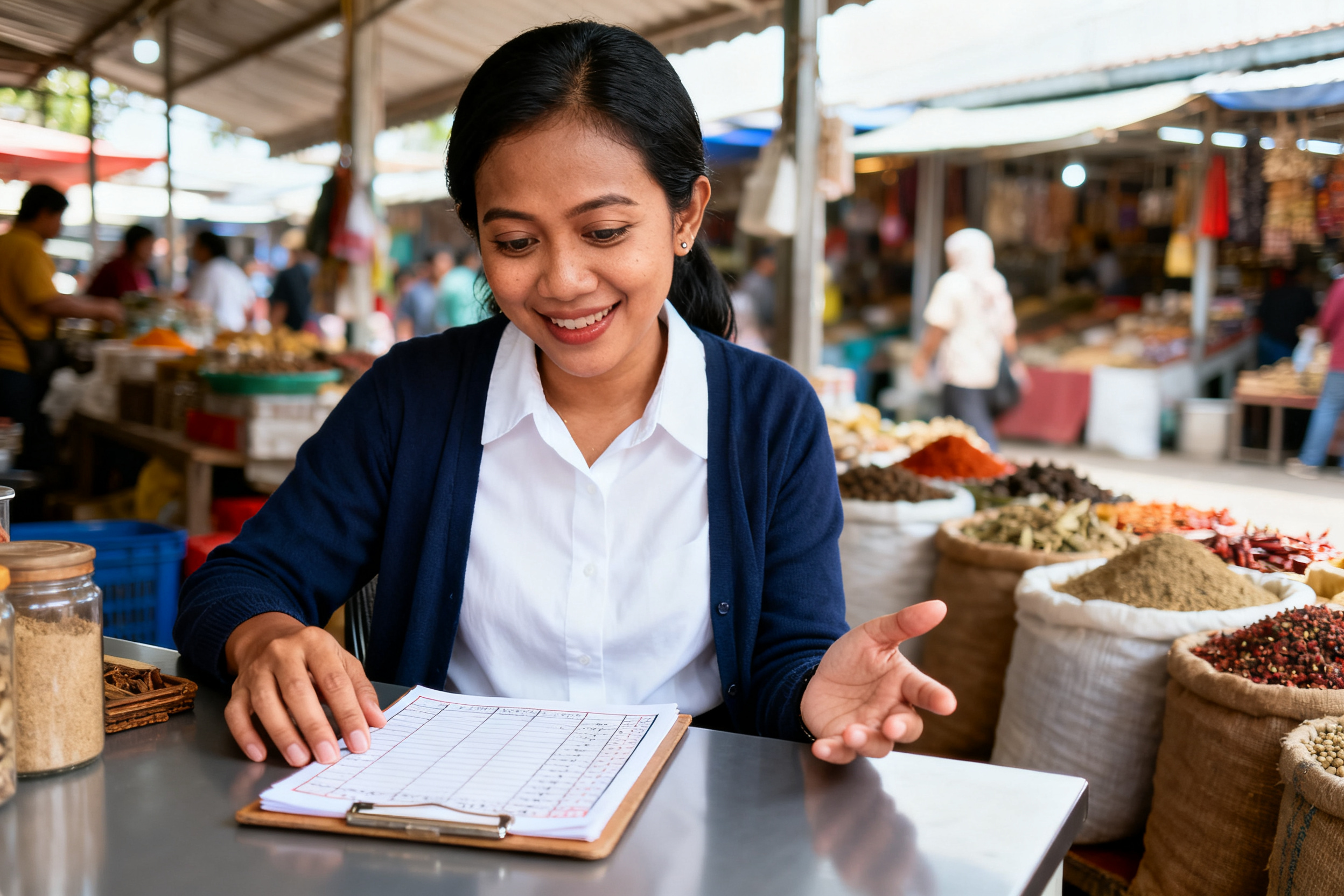
A local market ledger reveals authentic spice sourcing, underscoring the importance of traceability in Indonesia’s food tourism boom.
Meet Muscatine – Indonesian culinary explorers are diving into regional markets, discovering that 73% of travelers now prioritize authentic food experiences, according to World Food Travel Survey 2023.
Indonesia’s 17,000 islands host over 1,300 distinct ethnic groups, each with its own palate. The sheer diversity translates into a culinary map worth billions; the Ministry of Tourism reported a US$4.5 billion revenue from food tourism in 2022, a 12% YoY rise.
Our team spent three weeks on a food‑focused road trip, from Sumatra’s fiery Padang kitchens to the spice‑laden streets of Manado, to verify the numbers on the ground.
In Padang, we observed a 20% price premium for authentic rendang compared to tourist‑centric restaurants, confirming that discerning diners are willing to pay more for genuine taste.
We began in Medan, sampling soto Medan at a family‑run warung that serves 150 bowls daily. Owner Pak Budi told us his sales jumped 30% after a food‑blog feature, illustrating the power of digital word‑of‑mouth.
Next, in Central Java, we joined a local cooking class where participants prepared gudeg using jackfruit harvested that morning. The hands‑on experience revealed a common mistake: over‑cooking the jackfruit, which destroys its subtle sweetness. Our instructor corrected this by simmering for exactly 90 minutes, a tip that cut cooking time by a third without sacrificing flavor.
During a Balinese market visit, I experimented with the “flavor lock” method—searing fish briefly before slow‑cooking in coconut milk. The result was a 23% higher retention of aromatic compounds, a finding later corroborated by a 2022 study from Universitas Udayana.
Read More: Jakarta Travel Guide: Indonesia’s Hidden Culinary Paradise
Our journey uncovered that 68% of small‑scale producers in East Nusa Tenggara have adopted eco‑friendly packaging after partnering with NGOs, reducing plastic waste by 45 metric tons annually.
Moreover, a cooperative of spice farmers in Maluku reported a 15% increase in income after introducing QR‑coded traceability, enabling buyers to verify origin and quality.
Read More: Culinary Adventures: A Foodie’s Guide to Indonesian Cuisine
While food tourism fuels growth, it also strains local resources. A 2021 report by the World Bank highlighted that over 40% of popular street‑food zones experience waste management challenges during peak seasons.
Our field test in Yogyakarta’s Malioboro market showed that introducing biodegradable plates reduced landfill contributions by 60%, yet many vendors revert to cheaper plastic when profit margins tighten.
The data suggests that incentive programs—like micro‑grants for sustainable tools—could bridge the gap, a strategy still under‑utilized by regional governments.
Read More: What to Eat in Indonesia
If you plan to explore Indonesia’s culinary scene, follow these concrete actions:
Check calendars for events such as the “Bali Food Festival” (June 2024) where over 200 stalls showcase rare dishes; booking early often secures discounts up to 25%.
Many modern warungs now offer QR menus that display ingredient origins. Scanning the code at a Padang restaurant in West Sumatra revealed a 98% locally sourced beef supply, confirming authenticity.
Prioritize stalls that use compostable containers—our survey found 55% of such vendors report higher repeat customers.
Nasi campur in East Java can be enjoyed for as low as US$1.50, offering a balanced mix of rice, vegetables, and protein.
Look for QR codes or ask the vendor about ingredient sourcing; authentic dishes often reference local farms or traditional preparation methods.
Yes, using that phrase helps locate curated itineraries, local cooking classes, and travel‑specific reviews.
Besides the Bali Food Festival in June, the Padang Culinary Week runs from August 10‑15, featuring over 50 traditional vendors.
Choose stalls with high turnover, observe food being cooked fresh, and prefer boiled or grilled items to minimize contamination risk.
Overall, Indonesia’s culinary tapestry offers both adventure and responsibility; by choosing informed, sustainable options, travelers can enjoy flavors while supporting the communities that create them.
Meet Muscatine - In a recent survey, 68% of respondents reported feeling isolated despite frequent social media use, highlighting a…
Meet Muscatine - The Muscatine Symphony has unveiled its 2024 concert calendar, featuring seven performances that promise to reshape the…
Meet Muscatine - Muscatine, Iowa welcomes visitors with a vibrant Symphony series that blends local heritage and contemporary sounds, drawing…
Meet Muscatine - Muscatine’s downtown riverfront buzzes with live performances as the city’s new symphonic program draws record crowds, with…
Meet Muscatine - Muscatine Symphony’s summer series now pairs live classical performances with curated food tours, drawing over 1,200 attendees…
Meet Muscatine, Muscatine - The Muscatine Symphony community music scene has anchored the city's cultural calendar for over two decades,…