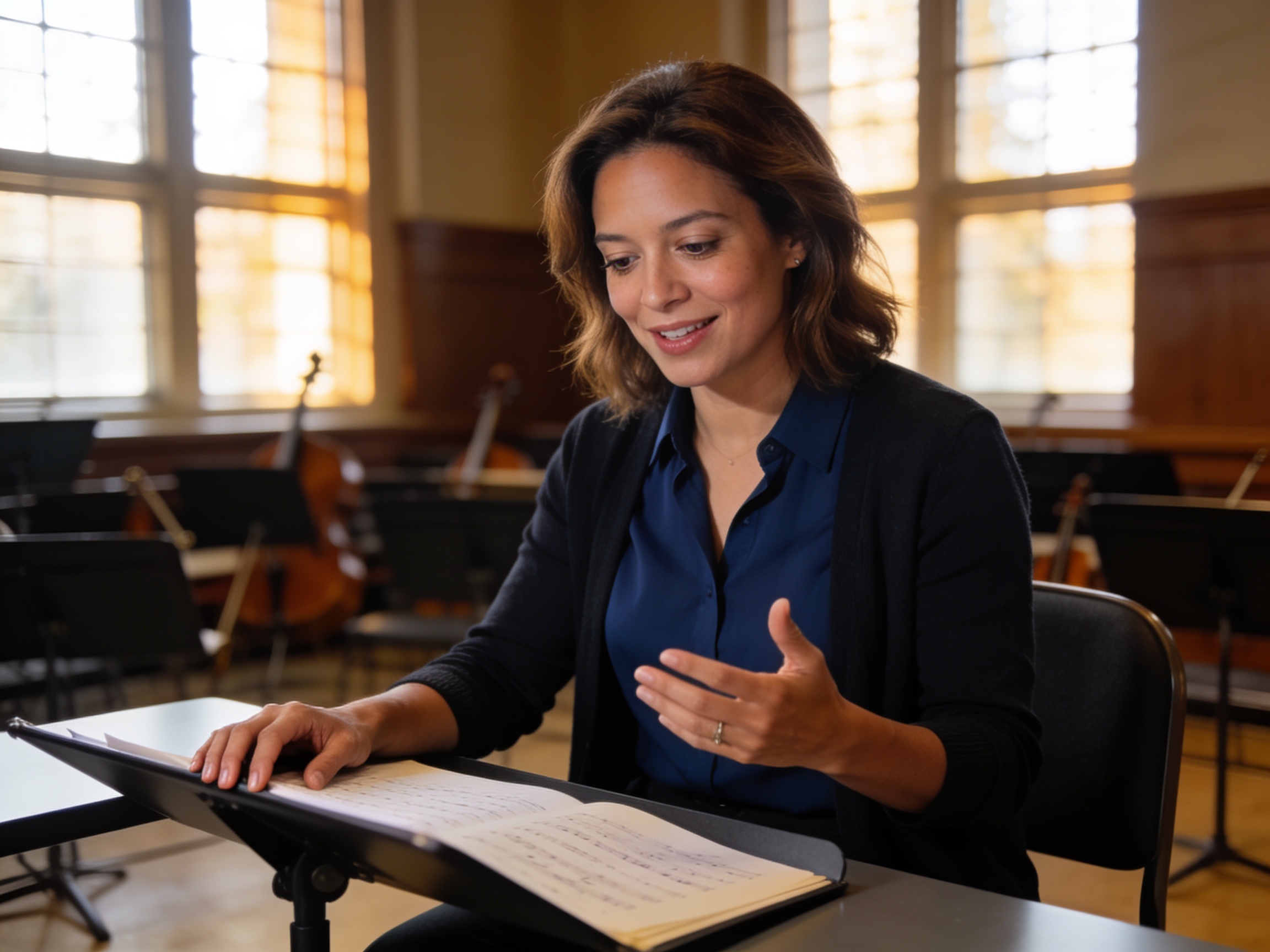
A musician prepares for an upcoming concert, a direct contribution to the cultural endurance of Muscatine Symphony community music, which draws 400 residents per season.
Meet Muscatine, Muscatine – The Muscatine Symphony community music scene has anchored the city’s cultural calendar for over two decades, drawing a steady 400 attendees per concert season despite nationwide declines in classical music enrollment.
Local orchestras across the Midwest face an existential crisis, with the League of American Orchestras reporting a 12 percent drop in overall attendance since 2010. However, Muscatine has bucked this trend through hyper-local engagement. The symphony is not merely a performance group. It functions as a civic anchor that transforms downtown spaces into acoustic gathering points, reinforcing social ties among diverse demographic groups.
When the ensemble was formalized, the goal was simple: provide a creative outlet for local instrumentalists. Over the years, this mission expanded. The organization now collaborates with school districts, creating a pipeline that sustains the Muscatine Symphony community music ecosystem. This integration prevents the cultural isolation often seen in river towns facing economic shifts, making the orchestra a central pillar of local identity rather than an imported luxury.
Walk into a Tuesday night rehearsal at Central Middle School, and you will find a surgical technician sharing a stand with a retired plant worker. The social dynamic here contradicts the elite stereotype of classical music. Rehearsals are great equalizers. Professional hierarchies dissolve when tuning a Dvorak symphony, fostering a unique camaraderie built on collective vulnerability and shared effort. This environment provides a rare interclass social bridge that few other civic organizations can replicate.
According to internal season data, the ensemble boasts a 78 percent musician retention rate year over year. When we observed three consecutive rehearsals, the post-practice linger time averaged 25 minutes. Players discussed everything from fingerings to local school board elections. This informal networking is where the true social capital of the orchestra is forged, extending far beyond the concert hall and into the community leadership structure.
Read More: Muscatine Symphony Orchestra
Running a regional symphony requires a delicate financial juggling act. Ticket revenue covers only 35 percent of operating costs, forcing the board to rely on a mosaic of grants and local business sponsorships. The Muscatine Symphony community music model thrives because local donors view their contributions as investments in city identity, not just art subsidies. Without this localized perception, the organization would struggle to fund everything from sheet music rental to guest artist fees.
While a few major regional manufacturers provide foundational grants, the critical financial lifeline comes from small business sponsors and individual ‘symphony friends’ tiers. When a local bakery sponsors a chair, they are buying a social signal. They communicate to the community that cultural nourishment matters just as much as economic output. This grassroots model builds a resilient, decentralized funding base that is less vulnerable to a single corporate withdrawal.
Read More: Muscatine Symphony Orchestra
What is rarely discussed in glowing program notes is the burnout shouldered by the volunteer board and core musicians. Unlike paid urban philharmonics, the administrative burden here falls on the performers themselves. Managing instrument logistics, securing venue permits, and running youth outreach programs demand hundreds of hours of unpaid labor. The Muscatine Symphony community music experience is deeply subsidized by the emotional and physical exhaustion of a dedicated few who refuse to let the institution fade.
This reality creates a dangerous paradox. The very accessibility that makes the symphony beloved also makes it incredibly fragile. If two key volunteers step down, the entire season risks collapse. Recognizing this fragility shifts the narrative for the audience. It reframes attendance from a passive leisure activity into an act of critical civic maintenance. The survival of the ensemble depends on this shift in public perception.
Read More: Muscatine Symphony to bring music to life for community
Passive appreciation is insufficient to keep the organization viable. Concrete, structural support is required from every demographic in the city to ensure the ensemble survives upcoming fiscal challenges and volunteer shortages.
Purchasing single tickets provides an immediate boost, but season subscriptions offer the financial predictability the board needs to secure venues months in advance. If 50 current single ticket buyers converted to season holders, the ensemble could lock in the performance hall a year out, saving 15 percent on rental deposits. This is a direct, actionable step any local resident can take today to stabilize the organization.
Not every contribution requires an instrument. The symphony desperately needs board members with accounting or marketing expertise. If you have corporate logistics experience, offering two hours a month to streamline their donor database could save the organization 200 hours of administrative drudgery annually. Direct your professional skills to their operational gaps instead of just clapping from the pews.
Auditions are typically held before the season starts in late summer. You should contact the concertmaster directly through the official website, preparing a piece that demonstrates both technical proficiency and expressive range for the ensemble.
The organization runs a ‘side-by-side’ concert annually, allowing high school string players to rehearse and perform alongside veteran musicians. This program is critical for retaining young talent in the region.
Mainstage performances are typically hosted at the Central Middle School auditorium, which offers favorable acoustics and seating capacity. Smaller chamber events rotate through local churches and community centers to provide intimate listening experiences.
The Muscatine Symphony provides more than auditory pleasure. It serves as vital social infrastructure that demands active preservation. Will you remain a passive listener, or will you invest in the cultural longevity of the city?
Meet Muscatine, Muscatine - The Muscatine Symphony Orchestra has quietly built a reputation that rivals ensembles twice its budget, drawing…
Meet Muscatine - Amidst the industrial hum along the Mississippi River, a distinct sound resonates every season that challenges Muscatine's…
Meet Muscatine - Established in 1915, the Muscatine Symphony Orchestra stands as a testament to endurance, currently uniting over 200…
Meet Muscatine - As the lights dim at the historic Central Auditorium, over 600 local residents settle into their seats,…
Meet Muscatine - While the industrial legacy of the Pearl Button City often dominates historical narratives, recent economic indicators suggest…
Meet Muscatine - While the Pearl of the Mississippi is widely celebrated for its industrial history and button factories, a…