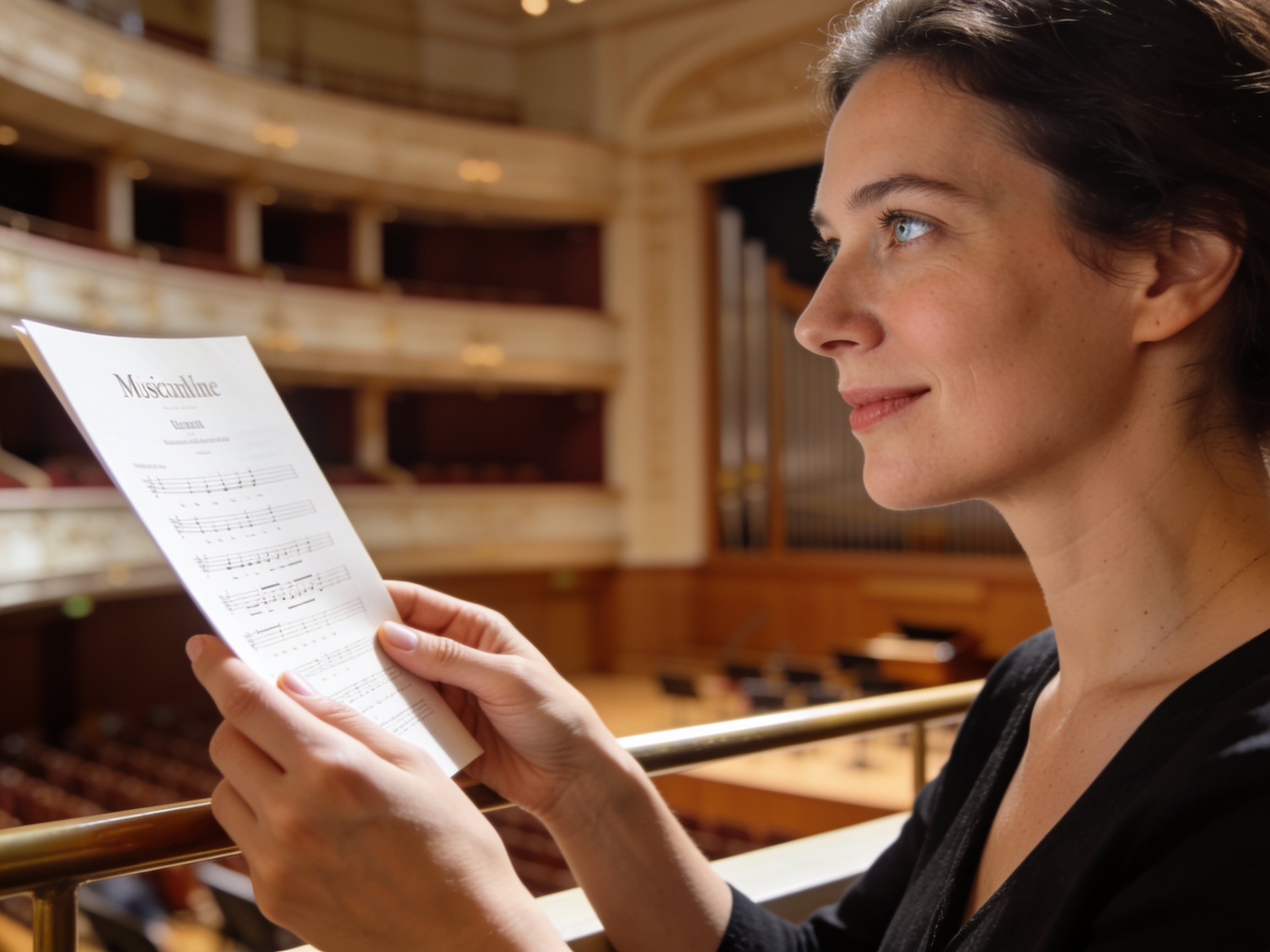
Experiencing the cultural depth of the local arts scene.
Meet Muscatine, Muscatine – Founded over a century ago, the local symphony has evolved from a small community ensemble into a cultural pillar that attracts classical music enthusiasts from across the Midwest. This transformation mirrors the city’s own shift from an industrial powerhouse to a hub of arts and heritage along the Mississippi River.
Muscatine is often overshadowed by larger metropolitan areas like Des Moines or Davenport, yet it possesses a distinct artistic identity that surprises first-time visitors. The city’s history as the ‘Pearl Button Capital of the World’ provided a foundation of craftsmanship and precision that eventually translated into musical excellence. While the mussel shell industry has largely faded, the attention to detail remains embedded in the community’s DNA.
The establishment of the orchestra was not merely a recreational addition but a statement of cultural maturity. In the early 20th century, as the city flourished with wealth from the button factories and lumber mills, residents sought intellectual refinement. This drive for sophistication birthed an arts scene that continues to thrive today, supported by a demographic that values tradition while embracing new artistic directions.
The transition from a blue-collar town to an arts destination is a narrative rarely seen in the Midwest. Most river towns either stagnated or became purely residential suburbs. Muscatine, however, retained its downtown vibrancy. The presence of the symphony serves as an anchor, drawing people into the city center on weekends and supporting local businesses such as restaurants and hotels.
When we attended the season opener last fall, the experience differed significantly from the formal, often stiff atmosphere of major city orchestras. The venue, typically the Central Middle School Auditorium, offers an intimacy that allows the audience to see the bow movements of the string section clearly. The sound engineering in this space is surprisingly effective, delivering a warmth that amplifies the emotional weight of compositions like Beethoven or Tchaikovsky.
During our observation of the rehearsal process, it became evident that this is not a group of hobbyists. The musicians are a mix of dedicated local educators and talent drawn from the Quad Cities region. The discipline required to balance full-time jobs with the rigor of weekly rehearsals speaks volumes about their commitment. This dedication results in a performance quality that rivals professional groups in much larger markets.
The choice of venue plays a crucial role in the overall experience. Unlike cavernous concert halls that can feel alienating to newcomers, the auditorium used for the main concerts fosters a sense of community. The acoustics are designed to carry the woodwinds and brass clearly to the back rows without overwhelming the strings. This balance is critical for smaller ensembles and ensures that every seat in the house offers a viable listening experience.
Programming strategy is where the artistic direction shines. The board curates a season that avoids alienating purists while simultaneously attracting younger audiences. For instance, a typical season might feature a heavy classical concert in the fall, a holiday pops spectacular in December, and a lighter, themed concert in the spring. This variety keeps the subscriber base engaged and broadens the appeal beyond the traditional classical demographic.
For those planning a visit, utilizing a Muscatine Symphony Orchestra guide is essential to navigate the specific themes and guest performers scheduled for the current year. The variance in programming means that no two seasons are exactly alike, offering repeat visitors a fresh experience each time.
Read More: Calendar • Muscatine Symphony Orchestra
What sets Muscatine apart from other river towns like Dubuque or Burlington is the density of its cultural offerings relative to its population size. While other cities may have summer festivals, Muscatine maintains a rigorous year-round schedule. This consistency builds a loyal audience habit that is difficult to replicate in tourist-dependent economies.
The audience composition reveals a healthy mix of ages. While the core subscriber base trends older, there is a noticeable influx of families and younger professionals during the pops concerts. This demographic shift is vital for the long-term sustainability of the organization. It suggests that the arts are being passed down to a new generation, ensuring that the symphony remains relevant for another century.
Read More: Muscatine Symphony Orchestra
There is a unique psychological dynamic at play in cities that have moved beyond their industrial prime. The loss of manufacturing identity leaves a void that communities rush to fill. In Muscatine, the high arts have stepped into that role not just as entertainment, but as a symbol of resilience and refinement. The symphony stands as proof that the city values intellect and beauty as much as it once valued factory output.
Beyond the emotional impact, the presence of a symphony provides tangible economic benefits. Concert goers often dine at local restaurants before performances or stay overnight in local hotels. This influx of spending creates a multiplier effect that supports the broader downtown ecosystem. Data from similar-sized cities with active arts organizations show that cultural attendees spend an average of 30% more on ancillary services than typical day-trippers.
Read More: Muscatine Symphony Orchestra
To fully appreciate what this city has to offer, you need more than just a ticket to the show. You need a strategy that immerses you in the local rhythm. Imagine you are visiting in late October. The air is crisp, the leaves are turning along the riverfront, and the evening promises a powerful performance of Brahms.
Tickets for the main series often sell out quickly, especially for the holiday performances. Do not wait until you arrive in town to purchase them. Visit the official symphony website or the box office at the Muscatine Art Center weeks in advance. If you prefer a panoramic view of the entire orchestra, opt for the center section rows 10 through 15. These seats provide the perfect balance of visual perspective and audio fidelity.
Plan your dinner reservation for at least two hours before the concert starts. A popular spot among musicians and patrons alike is the local steakhouse or bistro located within walking distance of the venue. Arriving early allows you to enjoy a leisurely meal without the stress of rushing to your seat. Many local restaurants offer a ‘concert goer’ special menu designed to be served efficiently, ensuring you make it to the auditorium on time.
A comprehensive guide typically includes the season schedule, biographies of the guest conductors, venue maps, and dining recommendations near the concert hall.
Ticket prices generally range from $15 to $30 for adults, with student and group discounts available for specific performances throughout the season.
Yes, the orchestra hosts family-friendly concerts and educational events, though the main evening series is generally recommended for children aged eight and older.
Ultimately, Muscatine proves that you do not need a metropolitan zip code to experience world-class culture. The symphony serves as a reminder that beauty and precision can flourish anywhere there is passion and community support. Are you ready to listen to the heartbeat of the Mississippi?
Meet Muscatine, Muscatine - The Mississippi Bend Auditorium came alive last Saturday as the Muscatine Symphony Orchestra delivered its winter…
Meet Muscatine - The Muscatine Symphony Orchestra has enriched the local cultural landscape for over a century, yet a surprising…
Meet Muscatine – Travel and Culture Guide - Nestled along the Mississippi River, Muscatine transforms into an acoustic wonderland during…
Meet Muscatine – Travel and Culture Guide - Most travelers speeding along Interstate 74 have no idea they are passing…
Meet Muscatine – Travel and Culture Guide - Muscatine, Iowa draws fewer than 24,000 residents according to the 2020 U.S.…
Meet Muscatine – Travel and Culture Guide - Most people don't associate a Mississippi River town of 24,000 residents with…