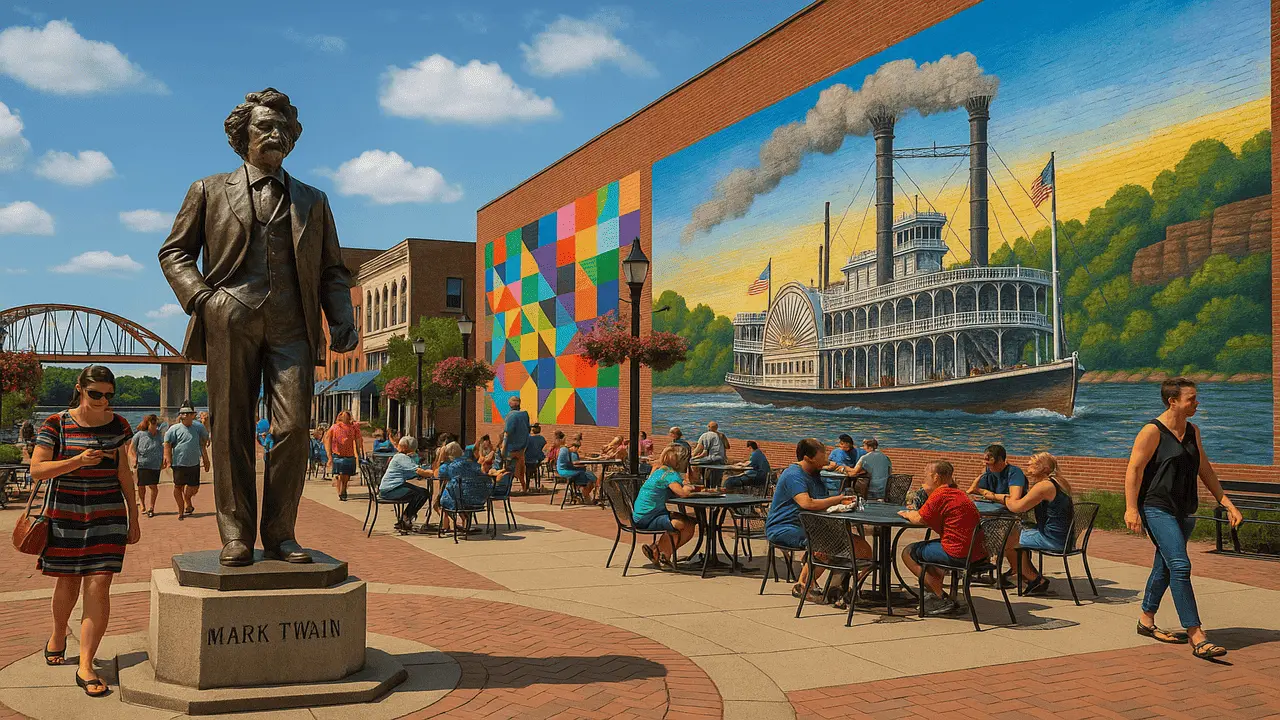
Meet Muscatine – Yet, over the past decade, this vibrant Midwestern town has emerged as a compelling case study in how urban communities can reclaim and transform public spaces into dynamic cultural hubs. Through creative programming, community-driven design, and an inclusive vision for the future, Muscatine is redefining the way its residents interact with the city and with one another.
Traditionally, public spaces such as parks, plazas, and waterfronts have been view through a largely utilitarian lens: places for walking, resting, or passing through. In Muscatine, however, a subtle but profound shift is underway. These same spaces are now see as platforms for storytelling, cultural exchange, and civic pride.
Take the Muscatine Riverfront Park, for example. Once a simple greenway with limited foot traffic, it has now become a central venue for cultural festivals, outdoor concerts, and food markets. The city’s annual “Almost Friday Fest” brings together music, food trucks, and local artisans in a celebration that transforms a public park into a pop-up cultural arena. By doing so, the community is reclaiming the space not just for leisure but for shared cultural urban communities.
This approach marks a departure from passive urban design. Instead of static infrastructure, Muscatine now embraces flexible, people-centered spaces that evolve with the community’s needs, fostering social cohesion and civic participation.
“Read More: Childhood Lupus: How It Affects Young Bodies and Minds”
One of the most visible ways Muscatine is turning public spaces into cultural landmarks is through public art and live performance. Walking through downtown, residents and visitors alike are greet by striking murals that celebrate local history and diversity each brushstroke a reminder of the stories rooted in the city’s past.
The initiative, supported by local nonprofits and city officials, has created opportunities for local artists to engage directly with the community, while also inviting regional and national creatives to leave their mark. This exchange not only beautifies public walls but also ignites conversations about identity, memory, and change.
Beyond visual art, street performers and pop-up stages are becoming common sights in parks and city squares. From jazz ensembles along 2nd Street to spoken word nights near the riverfront, Muscatine’s evolving cultural landscape is now as much about hearing as it is about seeing. These performances break down barriers between artist and audience, making culture more accessible and spontaneous.
At the heart of Muscatine’s transformation is a strong commitment to inclusive urban communities engagement. Rather than imposing top-down changes, local leaders and organizations have taken a collaborative approach, inviting residents to co-create the vision for these new public cultural spaces.
Groups like Muscatine Arts Council and Friends of Muscatine Parks and Recreation regularly host design workshops, public feedback sessions, and community clean-ups that turn planning into a shared experience. This grassroots participation has led to improvements that are both reflective of local needs and embraced by those who use them.
Even more importantly, these efforts have bridged generational and cultural divides, as older residents, young creatives, immigrants, and lifelong Muscatine families come together around common projects. This interconnection is the lifeblood of a cultural hub not just share space, but share ownership.
Muscatine’s evolution as a cultural hub is also deeply tied to its unique history and demographic makeup. Events such as Melon City Comic Con, Muscatine Independent Film Festival, and the Great River Days Celebration don’t just fill the calendar they celebrate the city’s identity and amplify diverse voices within the community.
By using public spaces to host these events, the city is creating platforms for local storytelling, whether through music, film, literature, or cuisine. It’s a strategy that doesn’t just entertain, but educates and unites. From food heritage to folk music, public spaces are now bearing the cultural DNA of Muscatine itself.
Urban design has played a crucial role in this reimagination. Strategic enhancements—such as wider pedestrian pathways, accessible seating areas, smart lighting, and weather-resistant pavilions—have made public spaces more welcoming and functional year-round. City planners have worked closely with architects and landscape designers to ensure that these improvements support diverse cultural uses.
Moreover, technology is also being integrated, with QR codes leading to oral history trails, interactive public kiosks, and free public Wi-Fi zones that enable digital storytelling and promote engagement with the city’s cultural assets. This intersection of design and technology is helping create seamless experiences where culture meets convenience.
As Muscatine continues to evolve, the challenge lies in sustaining this momentum. How can a small city maintain its cultural vibrancy without over-commercializing its identity or excluding vulnerable populations? This question has sparked new conversations around equity, environmental sustainability, and long-term cultural policy.
Projects are now underway to ensure that public space planning also considers green infrastructure, climate resilience, and affordability. For example, upcoming park redesigns include native plantings that support pollinators, while rental fees for public event spaces are being re-evaluated to ensure they remain accessible to grassroots organizers and local artists.
Muscatine’s example illustrates that reimagining public space as a cultural hub isn’t just about art or events it’s about vision, inclusion, and urban communities stewardship. And if the past decade is any indication, this city on the river is just getting started.
Meet Muscatine - Muscatine’s downtown riverfront buzzes with live performances as the city’s new symphonic program draws record crowds, with…
Meet Muscatine - Muscatine Symphony’s summer series now pairs live classical performances with curated food tours, drawing over 1,200 attendees…
Meet Muscatine, Muscatine - The Muscatine Symphony community music scene has anchored the city's cultural calendar for over two decades,…
Meet Muscatine, Muscatine - The Muscatine Symphony Orchestra has quietly built a reputation that rivals ensembles twice its budget, drawing…
Meet Muscatine - Amidst the industrial hum along the Mississippi River, a distinct sound resonates every season that challenges Muscatine's…
Meet Muscatine - Established in 1915, the Muscatine Symphony Orchestra stands as a testament to endurance, currently uniting over 200…